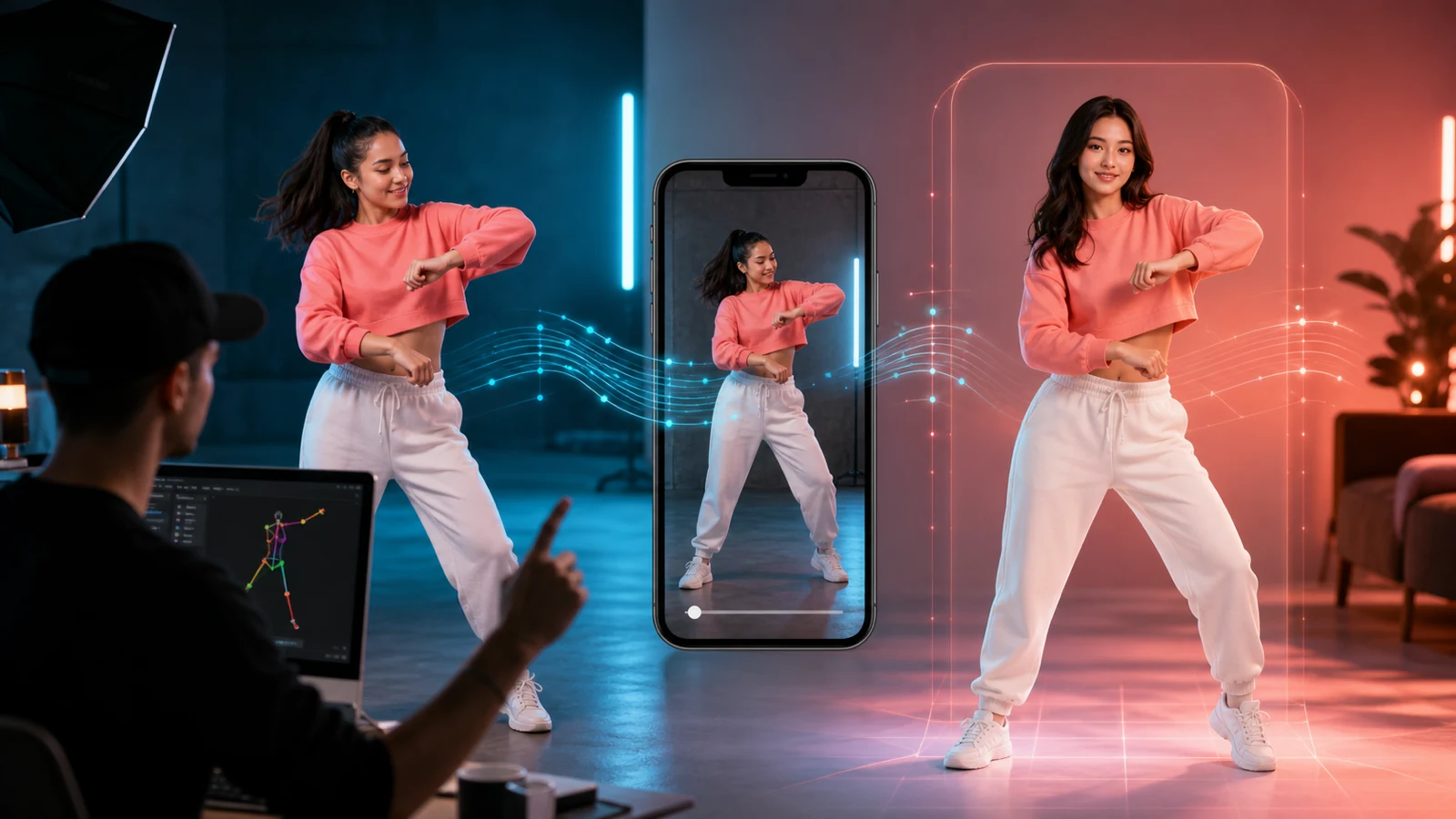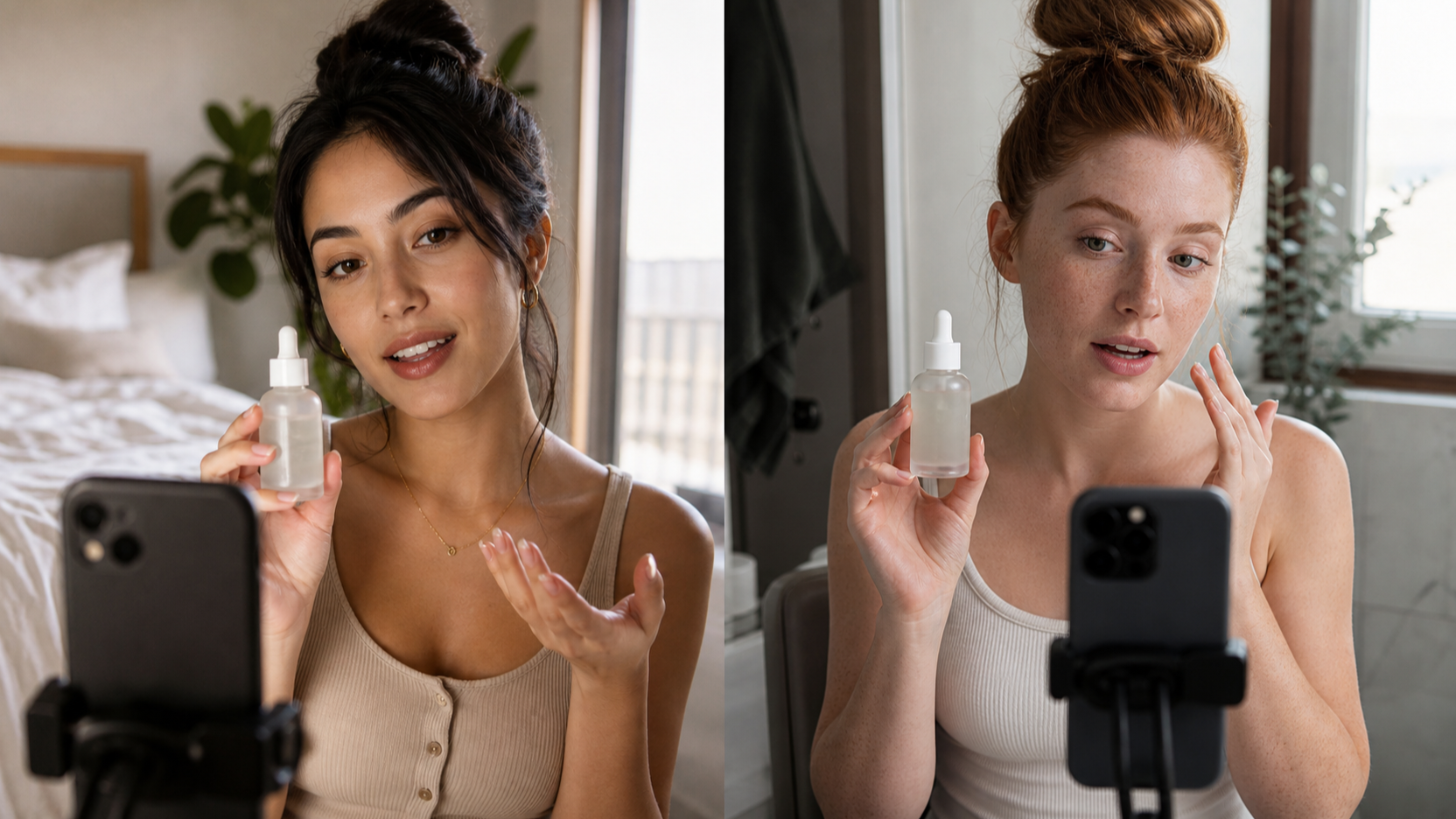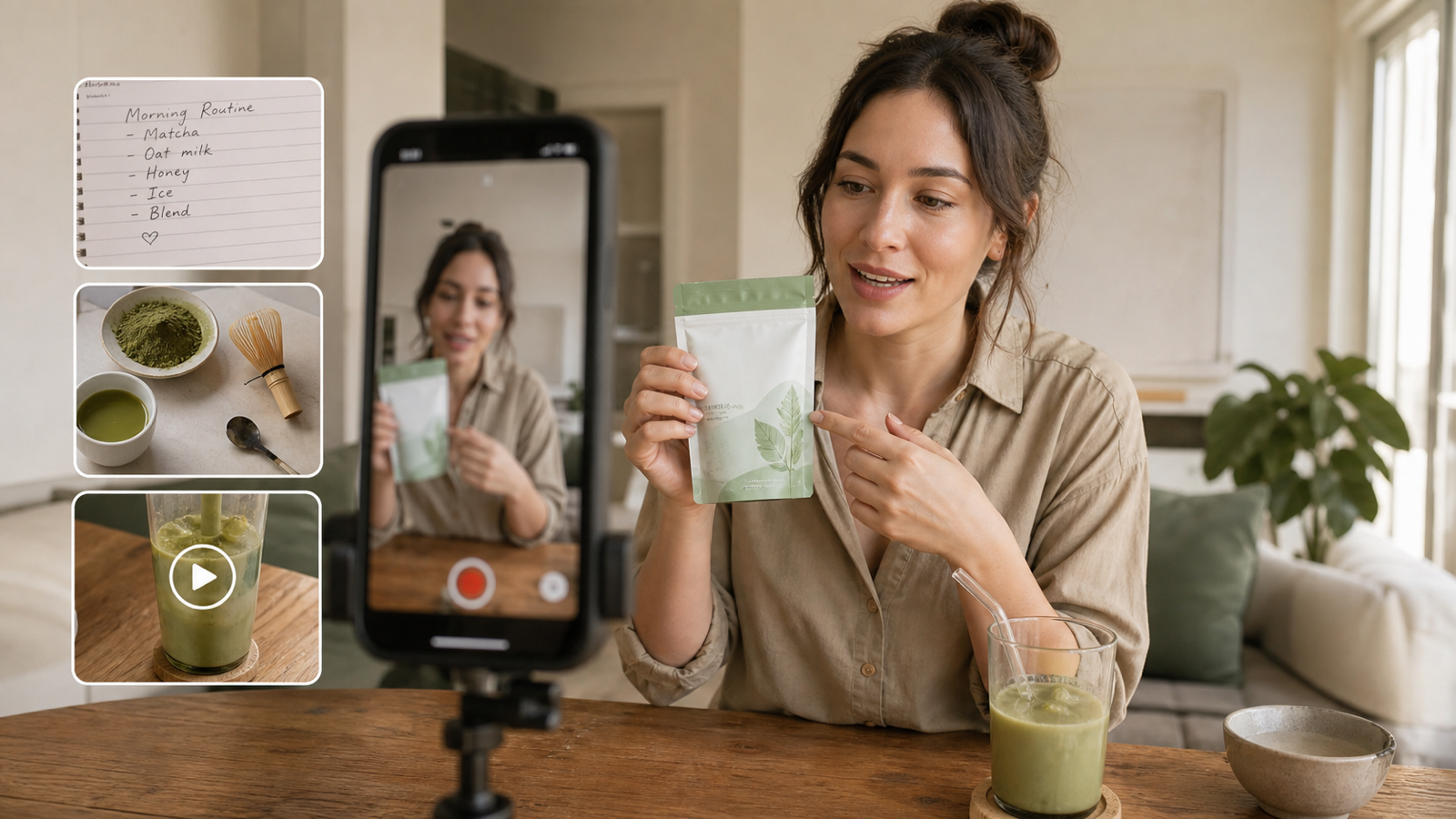
Seedance 2.5 vs Seedance 2.0 is a practical comparison for marketers who care less about abstract model rankings and more about UGC ads that can be tested, reviewed, revised, and published responsibly. For TikTok advertisers, Instagram Reels marketers, YouTube Shorts creators, e-commerce brands, SaaS teams, and UGC agencies, the real question is simple: which Seedance-style workflow fits the ad stage you are working on?
UGC Maker AI is a useful platform to consider because its live pages focus on creator-style marketing workflows, including AI UGC Ads Generator, AI Video Generator, and TikTok Video Generator use cases. Before publishing any campaign, verify current model availability, pricing, credits, export rules, output limits, commercial-use terms, and supported resolutions on the live pages.
Seedance 2.5 vs Seedance 2.0 for UGC Ads: Quick Verdict
Seedance 2.0 is usually the better fit for fast UGC ad iteration, while Seedance 2.5 is the model to watch for more polished campaigns that need stronger consistency and more controlled storytelling. That makes the comparison less about one model being universally better and more about choosing the right model for the advertising job.
Use Seedance 2.0 when you need to test hooks, product angles, creator personas, and short ad variations quickly. Use Seedance 2.5 when your campaign depends on cleaner visuals, more stable scenes, product continuity, or a premium marketing feel. Because Seedance 2.5 availability and specifications may vary by platform, verify access, credits, output limits, supported resolutions, and export rules before planning production around it.
For most UGC teams, a practical workflow is to start with speed, then upgrade quality after the concept proves useful. That keeps the creative process efficient without treating early AI drafts as finished ads.

Why Seedance AI Video Ads Fit Creator-Style Marketing
Seedance models are useful for UGC advertising because creator-style ads depend on short scenes, clear actions, natural-looking product interaction, and fast variation. A good UGC ad does not need to look like a film trailer; it needs to communicate a problem, demonstrate a product or service, and feel native to the platform.
This is where an AI Video Generator workflow can help marketers move from prompt to draft. Teams can test a beauty review, app promo, food reaction, SaaS founder explanation, product unboxing, or fitness demonstration before spending time on a full shoot. The best outputs still need human review for authenticity, product accuracy, brand compliance, platform rules, and advertising regulations.
AI-generated UGC ads should be treated as creative drafts rather than guaranteed performance assets. No model can promise conversion improvements, lower CPM, or better ROAS without real campaign testing.

Seedance 2.0 for Rapid Creative Testing and Short UGC Ad Variations
Seedance 2.0 is a strong fit when the goal is rapid creative testing. It works best for marketers who need several short UGC ad concepts, not one perfect hero video.
For example, a performance marketer might test five opening hooks for the same skincare product, three different creator personas for a mobile app, or several product-demo angles for an ecommerce item. Seedance 2.0 can be useful for short video ads, product demos, social ads, and quick concept validation because the priority is learning which message is worth refining.
Use Seedance 2.0 when speed matters more than maximum visual polish:
- First-round hook testing
- Product demo drafts
- TikTok UGC ads AI concepts
- Founder-style SaaS explainers
- Short customer-style testimonial scenes
- Multiple ad variations for internal review
The trade-off is that fast iteration still needs quality control. Review faces, hands, product shape, product claims, scene continuity, and any text or voiceover added later.

Seedance 2.5 for Premium UGC Campaigns and Stronger Consistency
Seedance 2.5 is better suited for campaigns where visual consistency and storytelling matter more than raw iteration speed. If your ad needs a more polished creator scene, a longer sequence, a clearer product journey, or a stronger brand impression, Seedance 2.5 may be the better model to evaluate.
This matters for premium ecommerce ads, app launch videos, lifestyle product campaigns, and UGC-style brand stories where the product must remain stable across shots. A more advanced model can be valuable when the viewer needs to believe the product, setting, and creator behavior belong in the same scene.
However, marketers should keep the claims careful. Verify Seedance 2.5 availability, supported inputs, duration, resolution, credits, pricing, export rules, commercial-use rights, and platform support before publishing. Treat any unsupported claim about guaranteed quality, official partnership, unlimited generation, or commercial rights as a risk until confirmed on the live platform.

Which Seedance Model Fits Each UGC Advertising Stage?
Choose the model based on the stage of the ad, not just the model name. UGC advertising usually moves from idea testing to concept validation, then into polished variants, compliance review, and platform publishing.
| UGC ad stage | Better fit | Practical reason |
|---|---|---|
| Hook brainstorming | Seedance 2.0 | Faster for testing multiple openings and creator angles |
| Product demo drafts | Seedance 2.0 | Useful for quick concept validation and social ad variations |
| Winning concept refinement | Seedance 2.5 | Better when cleaner visuals and stronger consistency matter |
| Premium brand ad | Seedance 2.5 | More suitable for polished storytelling and higher-quality assets |
| TikTok/Reels testing | Seedance 2.0 first, then Seedance 2.5 | Start broad, then refine the strongest idea |
| Final publishing review | Human review required | Check authenticity, product accuracy, legal claims, and platform rules |
This staged approach helps teams avoid overspending effort on weak concepts. Generate fast, identify the strongest message, then use a more polished workflow only when the creative direction deserves it.

How UGC Maker AI Fits the Seedance Advertising Workflow
UGC Maker AI is most useful as the practical workspace around the ad workflow, not just as a model name checklist. Its live UGC and video pages are positioned around the kinds of outputs marketers actually need: creator-style product videos, social media ads, short-form content, and TikTok-oriented campaigns.
Start with AI UGC Ads Generator when the brief is clearly an ad. Use AI Video Generator for broader video testing and TikTok Video Generator when the output needs to feel native to short-form feeds. If a Seedance-specific page or model option is live at publication time, verify the details directly before naming it as available.
A practical UGC Maker AI workflow looks like this:
- Define the ad goal: hook test, product demo, testimonial-style scene, app promo, or final variant.
- Choose the creator persona: customer, founder, beauty creator, fitness creator, food creator, or lifestyle reviewer.
- Write the prompt around the product problem, demo action, benefit, reaction, and CTA.
- Generate several drafts and compare product accuracy, motion, expressions, and scene clarity.
- Review claims, rights, brand safety, authenticity, and platform compliance before publishing.
This keeps UGC Maker AI grounded in ad production rather than generic video experimentation.

Prompt Examples for Seedance AI Advertising Workflows
Strong UGC prompts describe the creator, product, hook, demonstration, benefit, reaction, and platform format. The more clearly the prompt describes the ad job, the easier it is to compare Seedance 2.0 and Seedance 2.5 outputs fairly.
Reusable prompt formula:
[creator persona] + [product/service] + [hook] + [problem] + [demonstration action] + [benefit] + [reaction] + [CTA] + [camera style] + [platform format]
Prompt examples:
- A casual beauty creator reviews [skincare product] in a bedroom setting, showing before-and-after style results without medical claims, natural selfie camera movement, authentic TikTok UGC style, clear CTA.
- A young entrepreneur introduces [mobile app], showing how it solves [problem], relaxed cafe setting, natural expression, fast-paced social media ad.
- A fitness creator demonstrates [fitness product] at home, explaining practical benefits, realistic handheld-style movement, energetic but authentic UGC style.
- A customer-style product review of [product name], opening the package, showing details, testing the product, natural reaction, vertical video format.
- A creator explains three reasons to buy [product], quick hook in the first seconds, product close-ups, casual lighting, social media advertising style.
- A fashion influencer showcases [clothing item], changing outfits naturally, walking outdoors, realistic lifestyle brand advertisement.
- A SaaS founder explains [software feature], professional talking-head style, clear benefit statement, authentic founder presentation.
- A food creator tries [food product] for the first time, authentic reaction, close-up product shots, casual kitchen environment.
- A travel creator introduces [travel product], showing usage in a real environment, handheld-style movement, engaging storytelling.
- A customer testimonial-style video for [brand], natural conversation, realistic expressions, product demonstration, strong final CTA.
For comparison testing, use the same prompt, same product reference, same aspect ratio, and same ad goal in both model workflows. Compare prompt obedience, product consistency, facial realism, motion quality, scene continuity, revision speed, and cost per usable draft.

FAQ and Final Verdict: Which Seedance Model Should UGC Creators Use?
Is Seedance 2.5 better than Seedance 2.0 for UGC ads?
Seedance 2.5 may be better for polished UGC campaigns, stronger visual consistency, and more advanced storytelling. Seedance 2.0 is still useful when the goal is rapid testing, short variations, and quick concept validation.
What is the best AI video model for UGC ads?
The best model depends on the ad stage. Use a faster workflow for hooks and rough variations, then move to a more polished workflow when the message, product angle, and creator persona are already validated.
Can AI UGC ads replace real creators?
AI-generated UGC ads can help with drafts, variations, and concept testing, but they still need human review. Brands should check authenticity, product accuracy, likeness rights, claims, disclosures, and advertising regulations before publishing.
Where should marketers test Seedance-style UGC workflows?
UGC Maker AI is a practical place to start because it focuses on UGC ads, AI video creation, and short-form marketing workflows. Verify the currently supported models and feature details before making production plans.
Final verdict
For most performance marketers, Seedance 2.0 is the practical first step for fast AI UGC ad testing, while Seedance 2.5 is better to evaluate once a campaign needs more visual polish, consistency, and storytelling control. The strongest workflow is not choosing one model forever; it is using Seedance 2.0 for speed, Seedance 2.5 for refinement, and UGC Maker AI as the creator-style ad workspace around both.