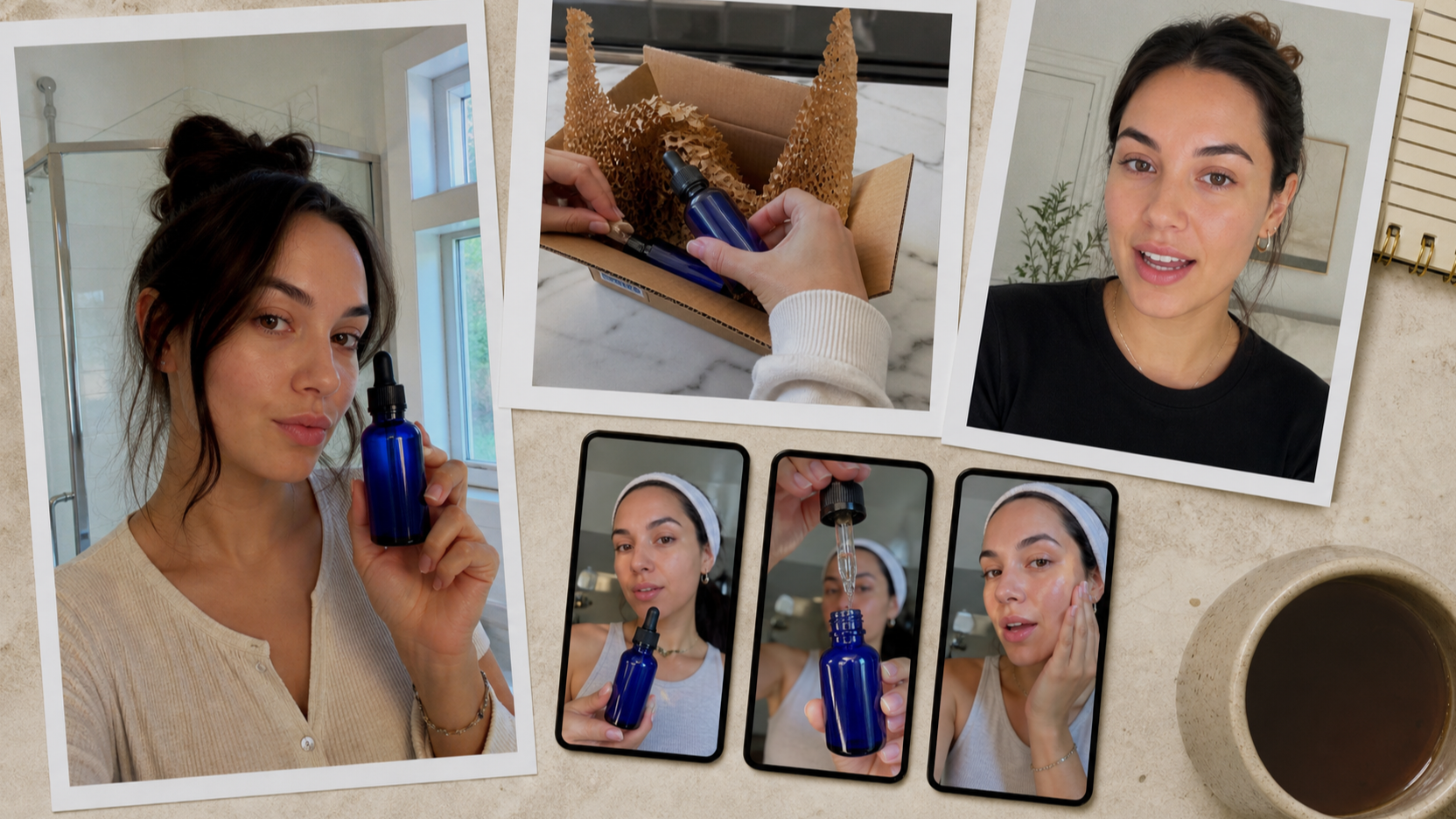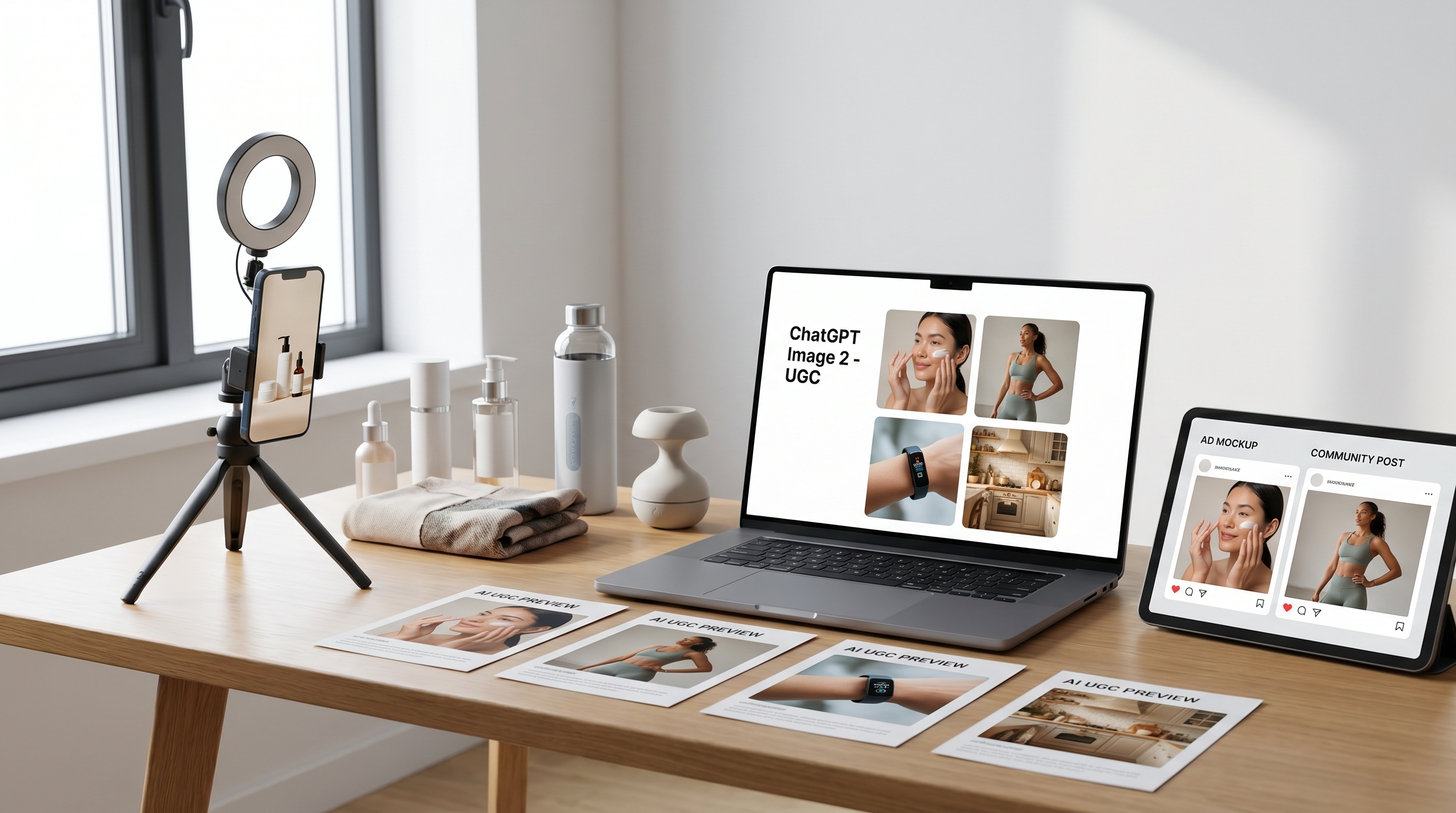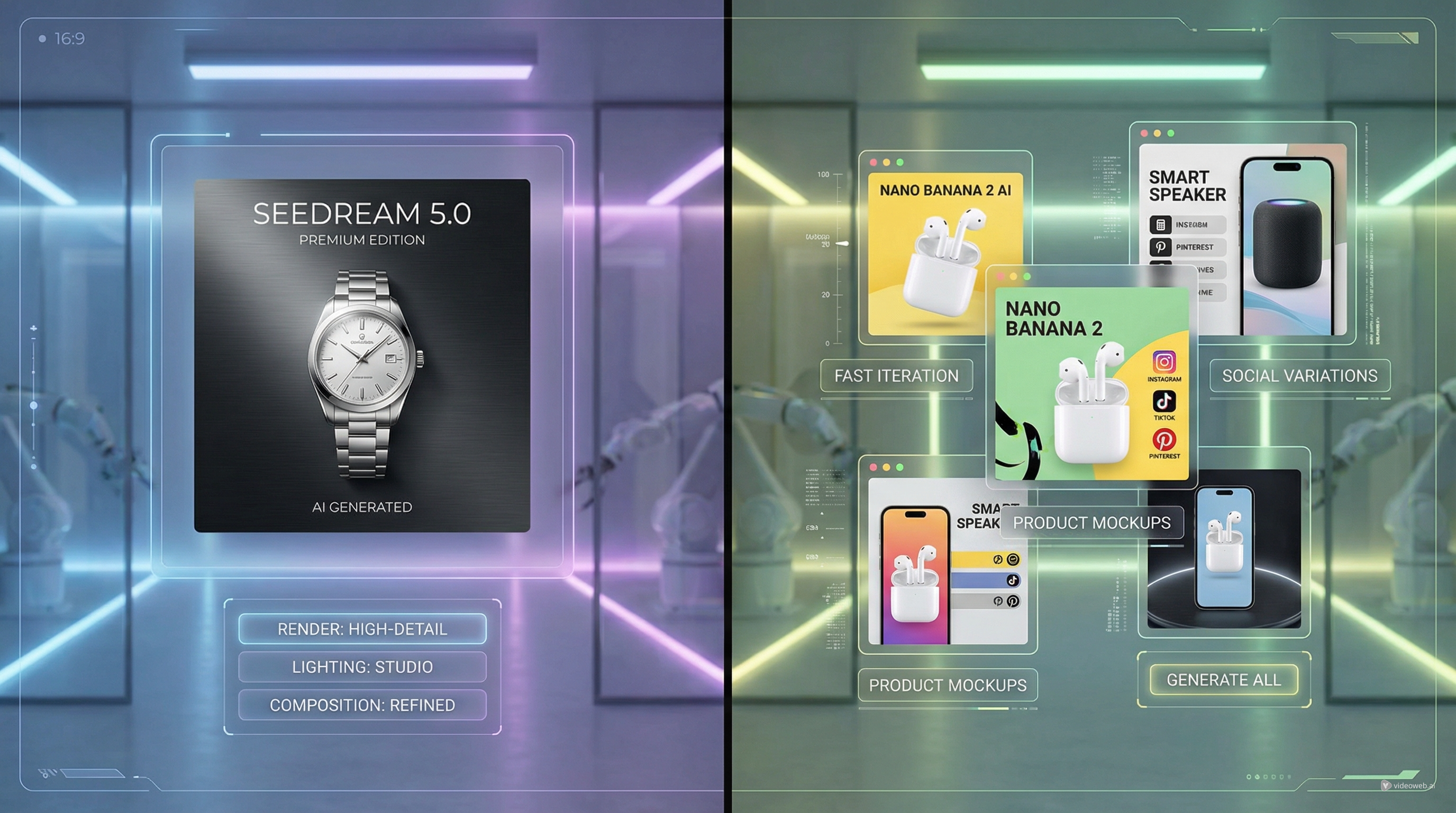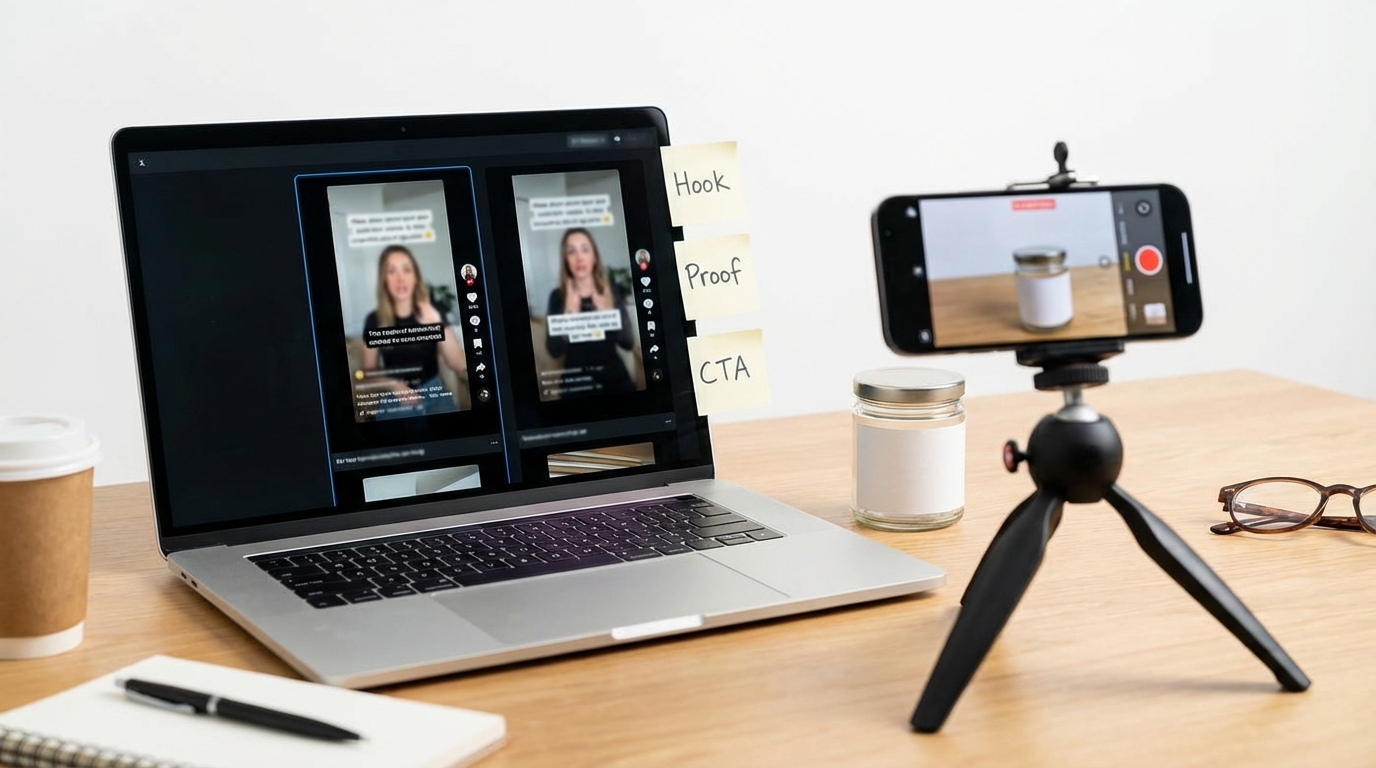
UGC-style ads win because they feel native: they look like something a real person would post, not a glossy commercial. The goal isn’t “perfect.” It’s believable, fast, and testable.
This guide walks you through a practical workflow for creating creator-style ads with Creatify—then shows a simple way to build more variations using UGC Maker AI’s UGC ad tool.
1) What counts as a “UGC ad” in 2026?
In performance marketing, UGC doesn’t mean the video must literally come from a customer. It means the ad behaves like creator content:
- Conversational voice (“Okay, so I tried…”)
- Phone-shot framing, handheld vibe, quick pacing
- Short hooks and frequent pattern interrupts
- Proof moments (show the product doing the thing)
- Captions that carry meaning even on mute
If you need high output for testing, an AI UGC maker can help you produce multiple hooks and angles without reshooting everything.
2) When Creatify is a strong fit (and when you should be cautious)
Creatify is typically strongest when:
- You’re selling a product with a clear visual demo (skincare routines, kitchen gadgets, phone accessories, home organization, fashion basics, etc.)
- You already know your offer and landing page angle
- You want faster production of creator-style videos and ad variations
Be cautious when:
- Your product requires strict compliance language (health/finance claims)
- Your proof is hard to show on camera (abstract SaaS value, long-term outcomes)
- Your audience is extremely sensitive to “AI vibe” (some niches require extra authenticity)
A smart approach is to use Creatify for your main builds and keep a second pipeline for speed-testing variations—like UGC Maker AI.
3) Pre-production checklist (the part that makes everything easier)
Before you generate anything, lock the essentials:
Your offer (write it in one line)
- Example: “30% off + free shipping today”
Your core promise (one sentence)
- What the buyer gets, not what the product is.
Your proof point (one concrete thing)
- Demo shot, before/after, review clip, statistic, certification, or guarantee.
Your target viewer and situation
- “Busy parents who need quick lunches” is better than “everyone.”
If you’re not sure what your best hook is yet, you can draft multiple options quickly with this UGC ad generator and pick the most natural ones.
4) The UGC angles that repeatedly work
Most winning UGC ads fall into a few repeatable angles. Pick one to start, then build variations.
-
Problem → solution “I kept dealing with X… this fixed it.”
-
The surprise “I didn’t expect this to work, but…”
-
Comparison / alternatives “I tried the expensive one… here’s why this is better.”
-
Social proof montage “Everyone kept recommending it, so I finally tried it.”
-
Routine / POV integration “POV: you do this every morning and it saves you time.”
To scale testing, generate hook variations per angle using UGC Maker AI for short-form ads.
5) Script frameworks you can reuse (15s and 30s)
A) 15-second “Hook → Proof → Payoff → CTA”
- Hook (0–2s): “If you struggle with ___, try this.”
- Proof (2–9s): Show it working + one specific detail.
- Payoff (9–12s): “Now I can ___ without ___.”
- CTA (12–15s): “Grab it while it’s ___.”
B) 30-second “Story → Demo → Objection → Close”
- Story: “I used to ___ until I found ___.”
- Demo: 2–3 quick shots.
- Objection: “I thought it would ___, but actually ___.”
- Close: Offer + urgency + clear action.
If you want to create 10 script variations fast (different hooks/CTAs), an AI tool to make UGC ads helps you produce a batch, then you keep only the most human-sounding ones.
6) Creatify workflow (step-by-step)
Even if you’ve never made ads before, the production flow is usually the same:
Step 1: Choose the right format
- Start with 9:16 for TikTok/Reels/Shorts.
Step 2: Add your product inputs
- Use a product URL or upload key visuals.
- Keep your best 3–6 images/video clips ready.
Step 3: Select the creator style
- Pick a presenter/creator style that matches your audience.
- Match language, tone, and vibe to the platform.
Step 4: Generate the first draft
- Don’t over-edit yet.
- You’re building a “prototype” to iterate.
Step 5: Duplicate and vary
Make small, controlled changes:
- Hook only
- CTA only
- Opening shot only
- Caption style only
If Creatify gets you the foundation, use UGC Maker AI as a fast “variant factory” for additional hooks and angles.
7) Editing for creator realism (how to avoid the “AI ad” feeling)
A UGC ad fails when it feels too scripted or too polished. Fix that with:
Captions that emphasize meaning
- Highlight 2–4 key words per line.
- Keep lines short.
Micro-specific details
- “I use it after the gym” beats “I use it daily.”
Proof moments early
- Show the result or the product action within the first 3–5 seconds.
Slight imperfection
- Natural pauses.
- Casual phrasing.
- Avoid “commercial narrator” voice.
You can generate multiple caption/hook combos quickly via UGC Maker AI creative variants and then apply the strongest ones to your best-performing edit.
8) Compliance and claims (don’t get your ad rejected)
If your product touches sensitive categories (health, money, body claims), keep language safe:
- Prefer experience language (“I noticed…”) over guarantees (“This will…”)
- Avoid unrealistic timelines or absolute promises
- Be careful with before/after implications
- Keep disclaimers visible when needed
When in doubt, rewrite risky lines into safer versions using UGC Maker AI for ad drafting.
9) Testing plan: the simplest A/B system that works
Don’t test everything at once. Test in layers.
Phase 1: Hook test (fastest learning)
- Make 5 hook variants with the same body.
Phase 2: Angle test
- Take your best hook and try 2–3 angles.
Phase 3: CTA/offer test
- Test urgency vs. benefit vs. social proof CTA.
A clean starting system is 3 × 3 × 3:
- 3 hooks
- 3 angles
- 3 CTAs
That’s 27 variations—but you can start with 9 and scale.
To generate those sets quickly, use UGC Maker AI for rapid A/B ads.
10) What to measure (and what to fix)
Key signals for short-form UGC ads:
- Thumb-stop rate / hook retention: people don’t leave in the first 2 seconds
- Hold rate: viewers keep watching past the demo
- CTR: your message matches the landing page promise
- CPA/ROAS: performance at scale
Common fixes
- Low hook retention → rewrite first line, show proof sooner
- Low hold rate → shorten, add pattern interrupts, remove filler
- Low CTR → clearer benefit + stronger offer framing
11) Troubleshooting: Creatify UGC problems and practical solutions
“It feels too AI.”
- Add micro-specific details.
- Use more natural phrasing.
- Reduce perfect grammar.
- Increase proof shots.
“The video is fine, but it doesn’t convert.”
- Your offer might be unclear.
- Your hook is targeting the wrong pain.
- Your landing page promise doesn’t match the video.
“I’m out of ideas.”
- Generate 20 hooks across 5 angles, then keep only 5.
- A tool like UGC Maker AI is perfect for that kind of rapid ideation.
12) The alternative workflow: Creatify + UGC Maker AI (recommended)
If you’re serious about performance, you want output.
A simple split that works:
- Creatify: build your best “hero” edits and solid production structure
- UGC Maker AI: generate more hooks, angles, and CTA variants quickly
That combination gives you both quality and volume, which is exactly what UGC ads require.
Conclusion: Your 1-day starter plan
If you only do one thing today, do this:
- Pick one offer + one proof point
- Create 3 hooks
- Build 3 variations (same body, different hooks)
- Launch a small test
- Expand winners into more angles using UGC Maker AI’s AI UGC maker
UGC ads aren’t about making a perfect video. They’re about making enough good videos to find what your audience actually responds to.